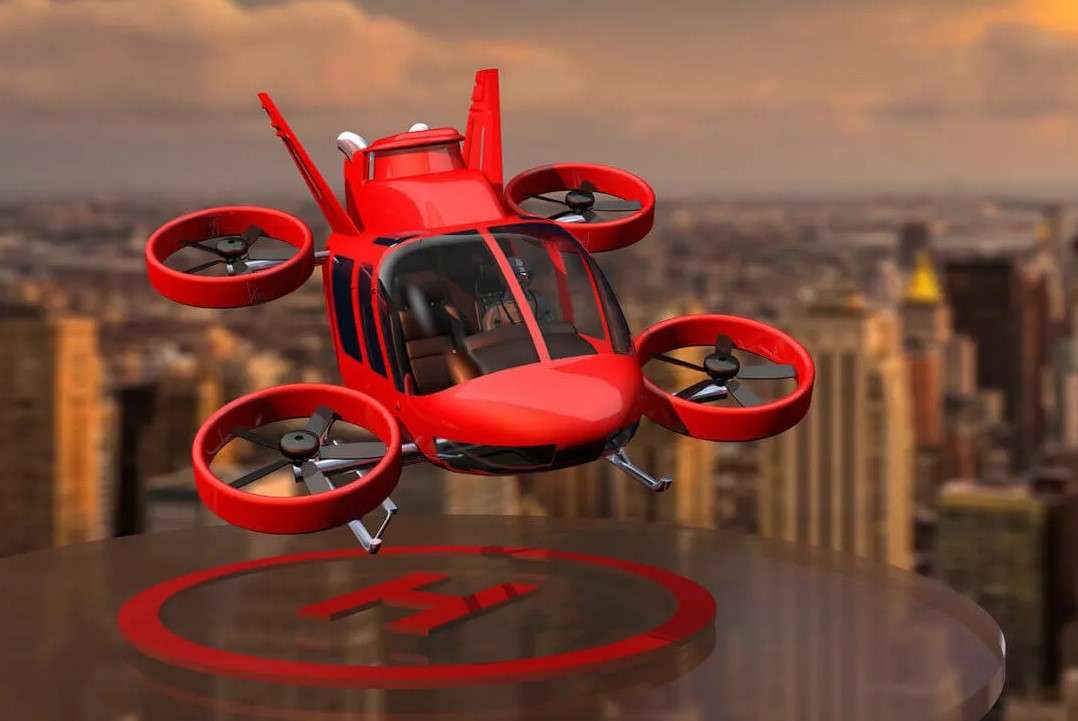
What is Advanced Air Mobility — AAM?
AAM (Advanced Air Mobility) is a term you're going to hear more and more about as CASA works to get ahead of the curve with a framework governing this new and exciting sector — spanning manned, unmanned, and eventually autonomous air taxis.
What AAM covers
AAM is a broad umbrella. In CASA and ICAO usage it includes electric vertical take-off and landing (eVTOL) aircraft, larger commercial drones, autonomous cargo carriers, and the systems (both regulatory and technical) that allow all of these to share airspace safely with existing traffic.
Why it matters to Australian operators
The framework CASA is drafting will determine, over the next few years, what commercial RPA operators can legally do — where we can fly, at what weight, in what airspace, and under what supervision. Even for an operator focused today on agricultural spraying and survey, the AAM framework will directly shape the rules we work inside.
What CCADS is watching
Two things primarily: airspace-integration proposals (how RPA share the sky with GA and RPT), and BVLOS (beyond visual line of sight) approvals under a maturing framework — the point at which serious commercial productivity increases arrive for large-scale mapping and long-corridor inspection work.
Related reading: The rise of aerial drones in survey-grade mapping.